Sleep like a surgeon
Helping surgeons perform and feel better.
Helping surgeons perform and feel better.
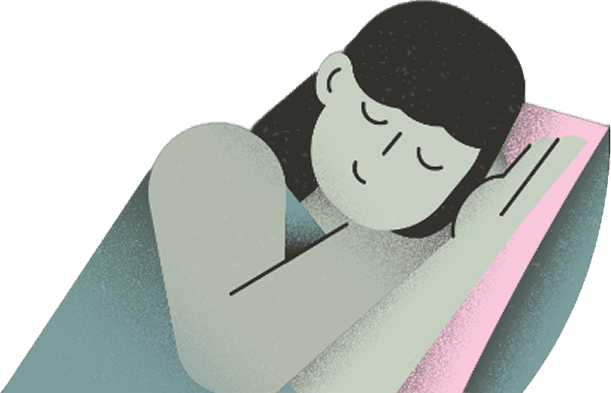
As a surgeon, your performance depends on precision, focus, and sound decision-making. But inadequate sleep, which many surgeons experience, leads to fatigue, impaired judgment, and increased risk of error.
In this issue, we’re sharing science-backed strategies to help you maximise sleep — even with an unpredictable schedule. Because, when you sleep better, you operate better.
As a surgeon, your performance depends on precision, focus, and sound decision-making. But inadequate sleep, which many surgeons experience, leads to fatigue, impaired judgment, and increased risk of error.
In this issue, we’re sharing science-backed strategies to help you maximise sleep — even with an unpredictable schedule. Because, when you sleep better, you operate better.
As a surgeon, your performance depends on precision, focus, and sound decision-making. But inadequate sleep, which many surgeons experience, leads to fatigue, impaired judgment, and increased risk of error.
In this issue, we’re sharing science-backed strategies to help you maximise sleep — even with an unpredictable schedule. Because, when you sleep better, you operate better.
Listen to the expert

In this month’s expert conversation, I talk to Dr Caitlin Chasser, an NHS GP with a special interest in sleep. She runs The Sleep Project and is a CBT-I practitioner and Circadian Therapist working with elite sportspeople and doctors, amongst others.
Listen to the expert
In this month’s expert conversation, I talk to Dr Caitlin Chasser, an NHS GP with a special interest in sleep. She runs The Sleep Project and is a CBT-I practitioner and Circadian Therapist working with elite sportspeople and doctors, amongst others.
Listen to the expert
In this month’s expert conversation, I talk to Dr Caitlin Chasser, an NHS GP with a special interest in sleep. She runs The Sleep Project and is a CBT-I practitioner and Circadian Therapist working with elite sportspeople and doctors, amongst others.
Jo-jo Jensen
Jo-jo Jensen
Jo-jo Jensen

I have put together a curated selection of resources relating to optimising sleep for surgeons in the resource hub.
Let me know if there’s anything missing or anything specific you would like to see — I love a good challenge! 🕵️♀️
I have put together a curated selection of resources relating to optimising sleep for surgeons in the resource hub.
Let me know if there’s anything missing or anything specific you would like to see — I love a good challenge! 🕵️♀️
I have put together a curated selection of resources relating to optimising sleep for surgeons in the resource hub.
Let me know if there’s anything missing or anything specific you would like to see — I love a good challenge! 🕵️♀️


The Shipping Forecast lulls me to sleep - now there are Sleep Forecast blends with soundscapes too.
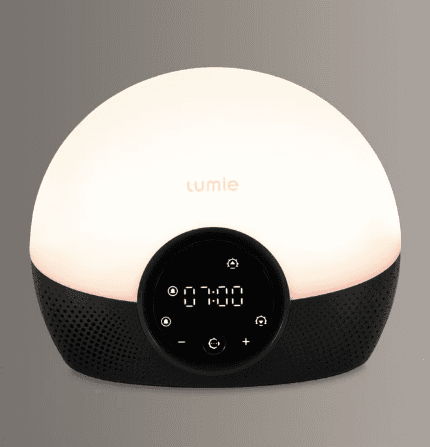
A 'sunrise' alarm clock can tell your brain it's dawn, even in winter!

This 12 minute body scan can help you wind down before bed or fall asleep at night if you wake up or answer a bleep!
The Shipping Forecast lulls me to sleep - now there are Sleep Forecast blends with soundscapes too.
A 'sunrise' alarm clock can tell your brain it's dawn, even in winter!
This 12 minute body scan can help you wind down before bed or fall asleep at night if you wake up or answer a bleep!
The Shipping Forecast lulls me to sleep - now there are Sleep Forecast blends with soundscapes too.
A 'sunrise' alarm clock can tell your brain it's dawn, even in winter!
This 12 minute body scan can help you wind down before bed or fall asleep at night if you wake up or answer a bleep!
You can read my ‘Sleep for Surgeons’ article for the Bulletin of the RCS (Engl.)
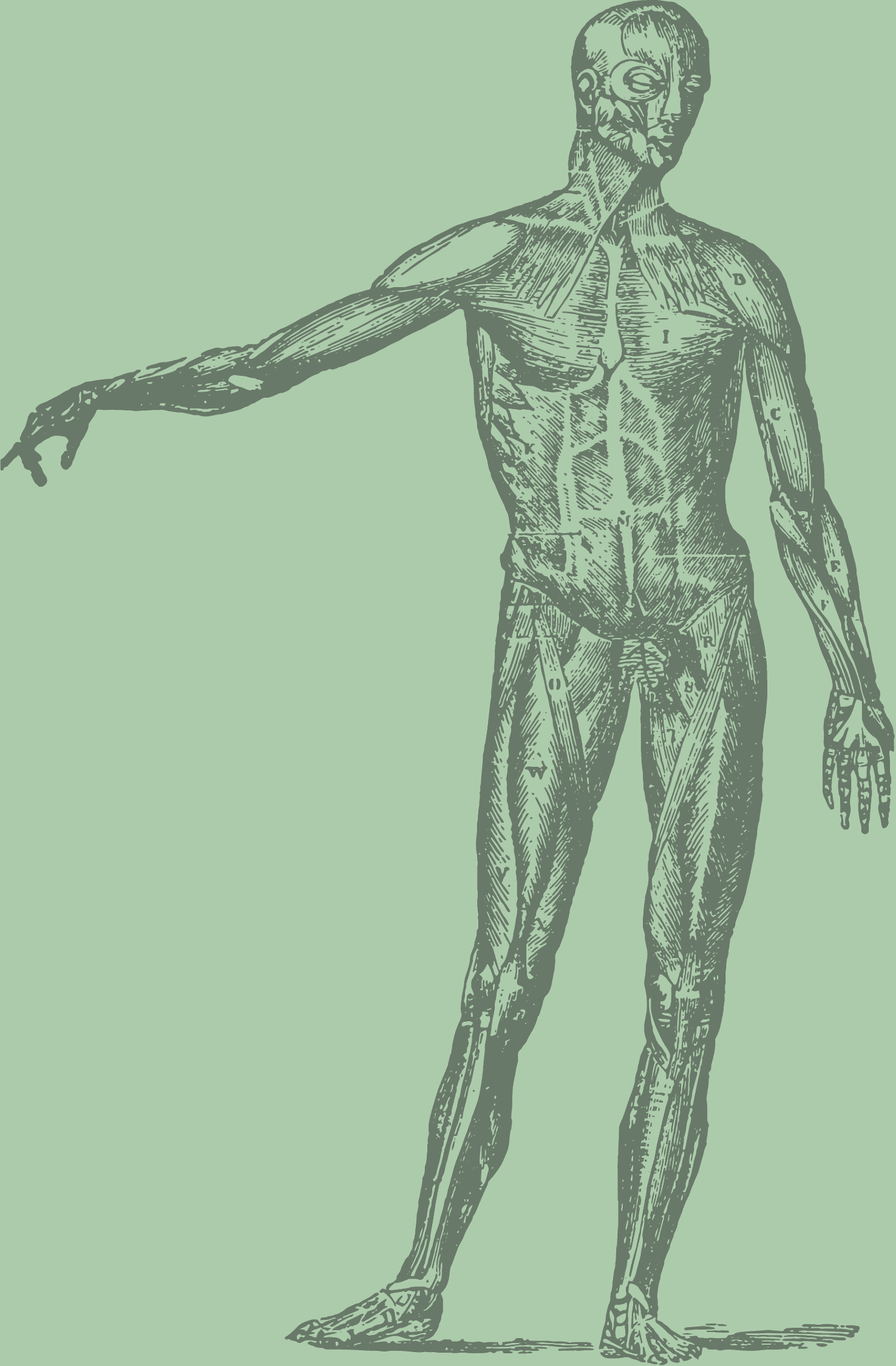
You can read my ‘Sleep for Surgeons’ article for the Bulletin of the RCS (Engl.)
You can read my ‘Sleep for Surgeons’ article for the Bulletin of the RCS (Engl.)

Be consistent with your sleep and wake times, to support both sleep and daytime alertness. Try a consistent 2 weeks +/- 30 mins, even at weekends.
Do try this at home!

Be consistent with your sleep and wake times, to support both sleep and daytime alertness. Try a consistent 2 weeks +/- 30 mins, even at weekends.
Do try this at home!
Be consistent with your sleep and wake times, to support both sleep and daytime alertness. Try a consistent 2 weeks +/- 30 mins, even at weekends.
Do try this at home!
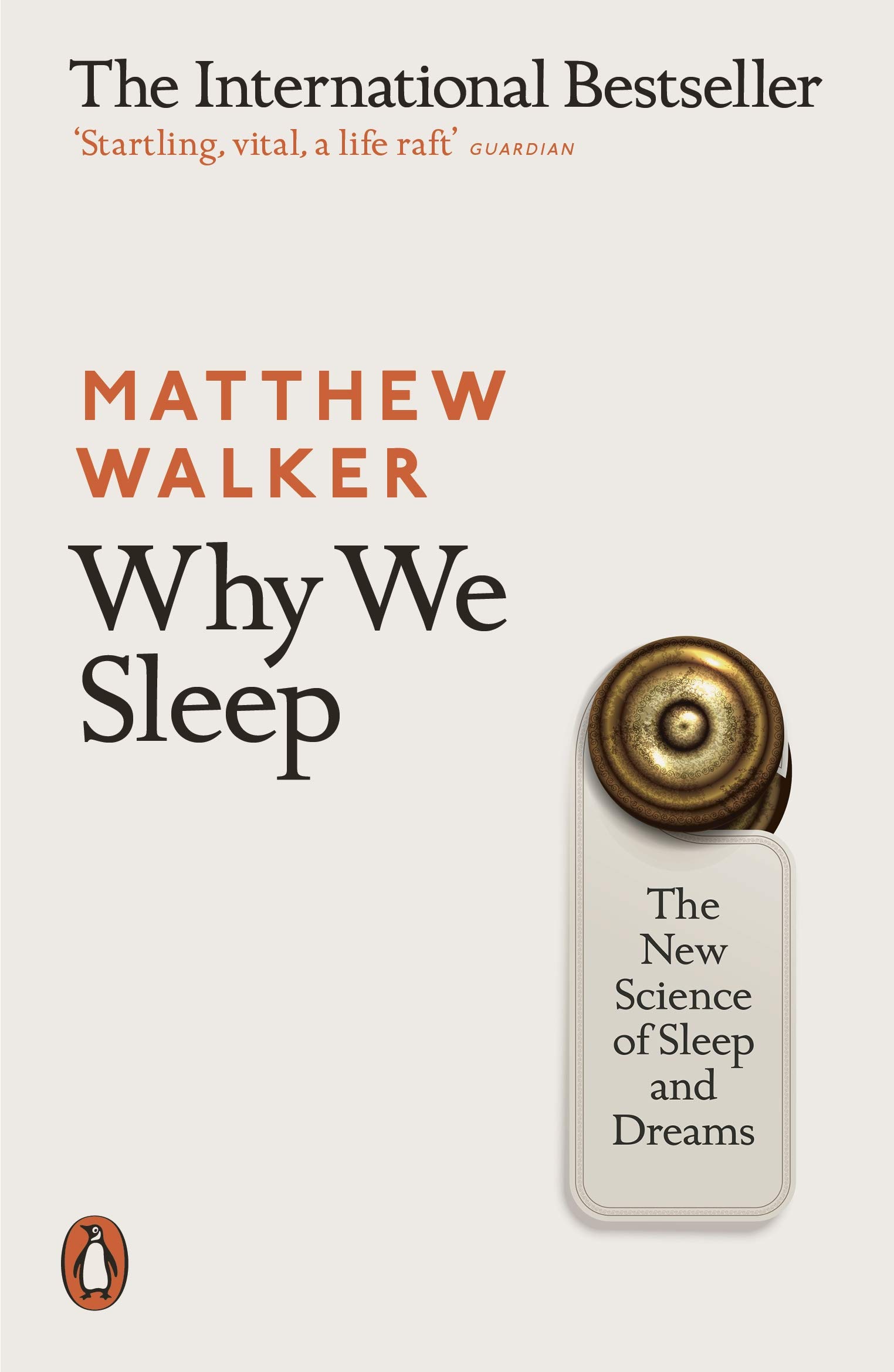
Why we Sleep by Dr Matt Walker
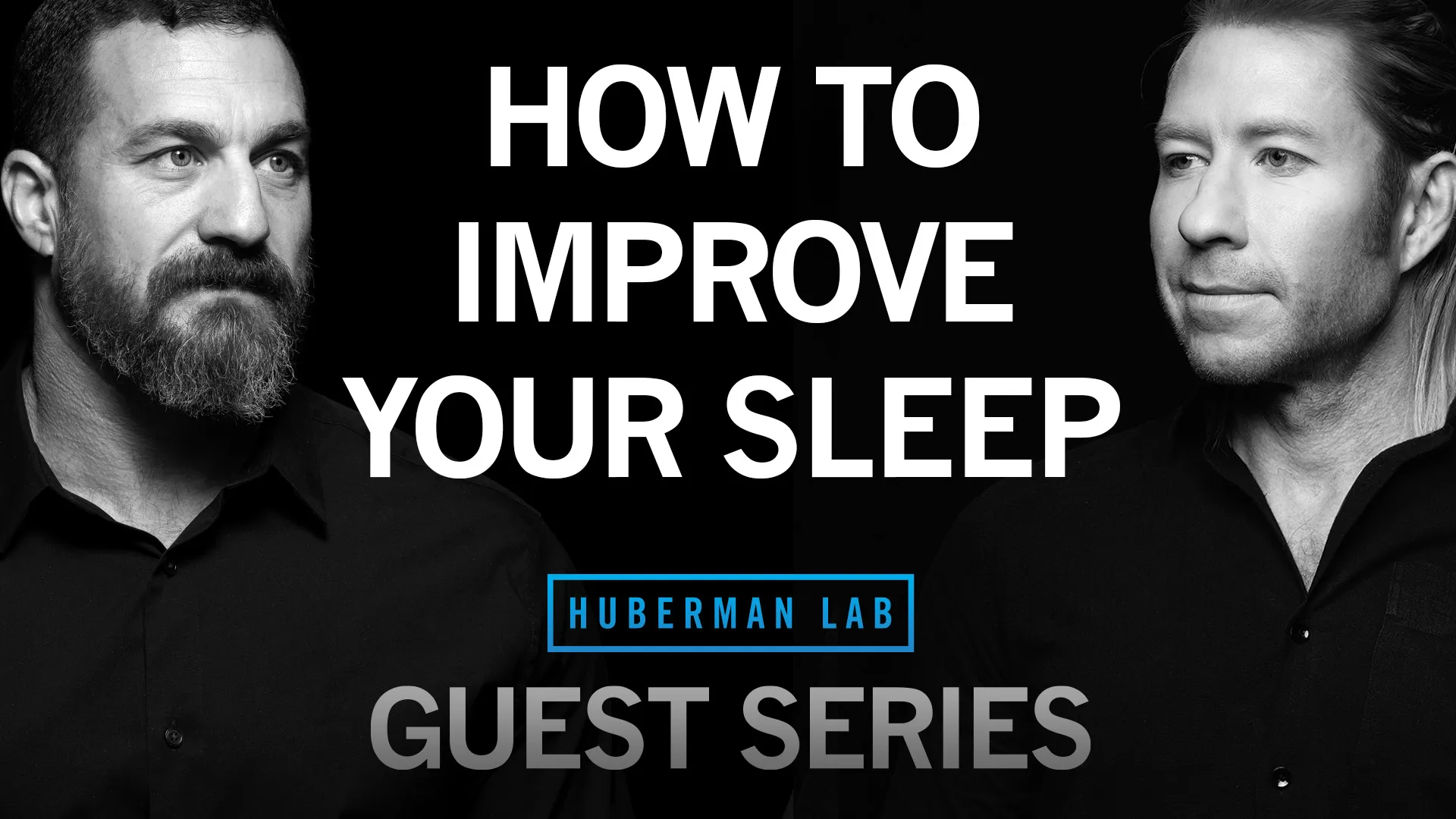
Dr Andrew Huberman x Dr Matt Walker 6 part series on sleep
Why we Sleep by Dr Matt Walker
Dr Andrew Huberman x Dr Matt Walker 6 part series on sleep
Why we Sleep by Dr Matt Walker
Dr Andrew Huberman x Dr Matt Walker 6 part series on sleep
This course is still available – but this offer has expired. Subscribe to the newsletter for exclusive discounts.
New Course
A specialised remote course for surgical registrars pre-FRCS exam starting mid-April 2025

This course is still available – but this offer has expired. Subscribe to the newsletter for exclusive discounts.
New Course
A specialised remote course for surgical registrars pre-FRCS exam starting mid-April 2025
This course is still available – but this offer has expired. Subscribe to the newsletter for exclusive discounts.
New Course
A specialised remote course for surgical registrars pre-FRCS exam starting mid-April 2025
Next month, we’re getting to grips with the Impostor Phenomenon.
Have a question or something you’d like us to explore? Let me know.
Have a topic in mind for a future issue?
I’d love to hear your suggestions — just hit reply or email lilli@lillicooper.co.uk
Next month, we’re getting to grips with the Impostor Phenomenon.
Have a question or something you’d like us to explore? Let me know.
Have a topic in mind for a future issue?
I’d love to hear your suggestions — just hit reply or email lilli@lillicooper.co.uk
Next month, we’re getting to grips with the Impostor Phenomenon.
Have a question or something you’d like us to explore? Let me know.
Have a topic in mind for a future issue?
I’d love to hear your suggestions — just hit reply or email lilli@lillicooper.co.uk
Disclaimer: This newsletter is provided for educational and informational purposes only and does not constitute medical advice or professional services. The information shared should not be used for diagnosing or treating any health conditions. For personalised medical advice, please consult with a licensed healthcare professional.
Disclaimer: This newsletter is provided for educational and informational purposes only and does not constitute medical advice or professional services. The information shared should not be used for diagnosing or treating any health conditions. For personalised medical advice, please consult with a licensed healthcare professional.
Disclaimer: This newsletter is provided for educational and informational purposes only and does not constitute medical advice or professional services. The information shared should not be used for diagnosing or treating any health conditions. For personalised medical advice, please consult with a licensed healthcare professional.
A monthly letter sharing insights, reflections, and resources for clinicians and high stakes professionals who want to perform or feel better, or both!
Thoughtful content, no spam. Unsubscribe anytime.
A monthly letter sharing insights, reflections, and resources for clinicians and high stakes professionals who want to perform or feel better, or both!
Thoughtful content, no spam. Unsubscribe anytime.
A monthly letter sharing insights, reflections, and resources for clinicians and high stakes professionals who want to perform or feel better, or both!
Thoughtful content, no spam. Unsubscribe anytime.

Supporting healthcare professionals to thrive through evidence-based resources, coaching, and community.
Copyright Lilli Cooper © 2026, All Rights Reserved
Copyright Lilli Cooper © 2026
All Rights Reserved