Connection for surgeons
Surgeons can struggle with relationships, for various reasons. However, resilience is between us, not only within us. Explore how to defend connection, and why it’s important.
Surgeons can struggle with relationships, for various reasons. However, resilience is between us, not only within us. Explore how to defend connection, and why it’s important.

Listen to the expert

She works alongside her husband, Reece, helping singles and couples to create connected relationships and deeply fulfilling lives. Since 2014 they’ve coached hundreds of couples and helped over 2 million readers with their unique approach to modern relationships, working with everyone from YouTube celebrities and Silicon Valley CEOs to stay-at-home parents and newlyweds. With Level 1 Certification in Gottman Therapy Method and training in a wide range of modalities, their work has featured in The New York Times, Bustle, Cosmopolitan and more.
Listen to the expert
She works alongside her husband, Reece, helping singles and couples to create connected relationships and deeply fulfilling lives. Since 2014 they’ve coached hundreds of couples and helped over 2 million readers with their unique approach to modern relationships, working with everyone from YouTube celebrities and Silicon Valley CEOs to stay-at-home parents and newlyweds. With Level 1 Certification in Gottman Therapy Method and training in a wide range of modalities, their work has featured in The New York Times, Bustle, Cosmopolitan and more.
Listen to the expert
She works alongside her husband, Reece, helping singles and couples to create connected relationships and deeply fulfilling lives. Since 2014 they’ve coached hundreds of couples and helped over 2 million readers with their unique approach to modern relationships, working with everyone from YouTube celebrities and Silicon Valley CEOs to stay-at-home parents and newlyweds. With Level 1 Certification in Gottman Therapy Method and training in a wide range of modalities, their work has featured in The New York Times, Bustle, Cosmopolitan and more.

Below are a few (affiliation-free) resources that might help support intimacy and connection.

What intimacy type are you and how can you get more of that in your relationship?
Here are some conversation prompts for walks written by the team at Self Space.
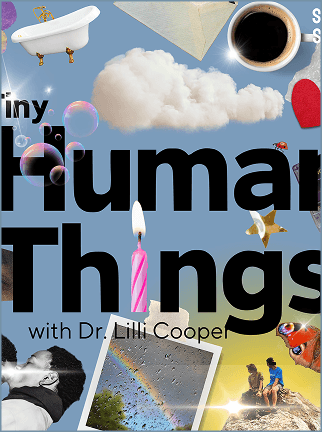
Find out more about awe and its links to human connection with my new podcast pilot.
Below are a few (affiliation-free) resources that might help support intimacy and connection.
What intimacy type are you and how can you get more of that in your relationship?
Here are some conversation prompts for walks written by the team at Self Space.
Find out more about awe and its links to human connection with my new podcast pilot.
Below are a few (affiliation-free) resources that might help support intimacy and connection.
What intimacy type are you and how can you get more of that in your relationship?
Here are some conversation prompts for walks written by the team at Self Space.
Find out more about awe and its links to human connection with my new podcast pilot.
Most of us are comfortable with going on a static bike or running machine to exercise, rather than go from a to b, but few of us connect with others just for connection’s sake. For a bit of oxy-dosin’, if you will!
Put your phone away and connect with someone. Ask them how they are, or what they’re up to. Thank them, give them a hand, or tell them something you appreciate about them. Shoot the breeze.
If you don’t feel like face-to-face contact, think about someone you love, or send them a message. Or think of something you're grateful for, or proud of, about yourself.

Most of us are comfortable with going on a static bike or running machine to exercise, rather than go from a to b, but few of us connect with others just for connection’s sake. For a bit of oxy-dosin’, if you will!
Put your phone away and connect with someone. Ask them how they are, or what they’re up to. Thank them, give them a hand, or tell them something you appreciate about them. Shoot the breeze.
If you don’t feel like face-to-face contact, think about someone you love, or send them a message. Or think of something you're grateful for, or proud of, about yourself.
Most of us are comfortable with going on a static bike or running machine to exercise, rather than go from a to b, but few of us connect with others just for connection’s sake. For a bit of oxy-dosin’, if you will!
Put your phone away and connect with someone. Ask them how they are, or what they’re up to. Thank them, give them a hand, or tell them something you appreciate about them. Shoot the breeze.
If you don’t feel like face-to-face contact, think about someone you love, or send them a message. Or think of something you're grateful for, or proud of, about yourself.
This course is still available – but this offer has expired. Subscribe to the newsletter for exclusive discounts.

July 2025
Email me if you’re interested: 6 weeks of self-directed content, plus two 1:1 coaching sessions for £150.

This course is still available – but this offer has expired. Subscribe to the newsletter for exclusive discounts.
July 2025
Email me if you’re interested: 6 weeks of self-directed content, plus two 1:1 coaching sessions for £150.
This course is still available – but this offer has expired. Subscribe to the newsletter for exclusive discounts.
July 2025
Email me if you’re interested: 6 weeks of self-directed content, plus two 1:1 coaching sessions for £150.
Disclaimer: This newsletter is provided for educational and informational purposes only and does not constitute medical advice or professional services. The information shared should not be used for diagnosing or treating any health conditions. For personalised medical advice, please consult with a licensed healthcare professional.
Disclaimer: This newsletter is provided for educational and informational purposes only and does not constitute medical advice or professional services. The information shared should not be used for diagnosing or treating any health conditions. For personalised medical advice, please consult with a licensed healthcare professional.
Disclaimer: This newsletter is provided for educational and informational purposes only and does not constitute medical advice or professional services. The information shared should not be used for diagnosing or treating any health conditions. For personalised medical advice, please consult with a licensed healthcare professional.
A monthly letter sharing insights, reflections, and resources for clinicians and high stakes professionals who want to perform or feel better, or both!
Thoughtful content, no spam. Unsubscribe anytime.
A monthly letter sharing insights, reflections, and resources for clinicians and high stakes professionals who want to perform or feel better, or both!
Thoughtful content, no spam. Unsubscribe anytime.
A monthly letter sharing insights, reflections, and resources for clinicians and high stakes professionals who want to perform or feel better, or both!
Thoughtful content, no spam. Unsubscribe anytime.

Supporting healthcare professionals to thrive through evidence-based resources, coaching, and community.
Copyright Lilli Cooper © 2026, All Rights Reserved
Copyright Lilli Cooper © 2026
All Rights Reserved